Hair Loss: Causes, Types & GP Assessment
Gradual thinning at the crown of the head, a widening centre part, or sudden hair shedding are signs of hair loss or alopecia. Your metabolic, hormonal, and nutritional health are linked to hair fall, which is why it is essential to find the cause & treat it. Dr Faizal provides thorough consultations, private blood tests & personalised hair loss treatments at My Private Clinic.
GMC-registered GP · Fulwood, Preston · No referral needed
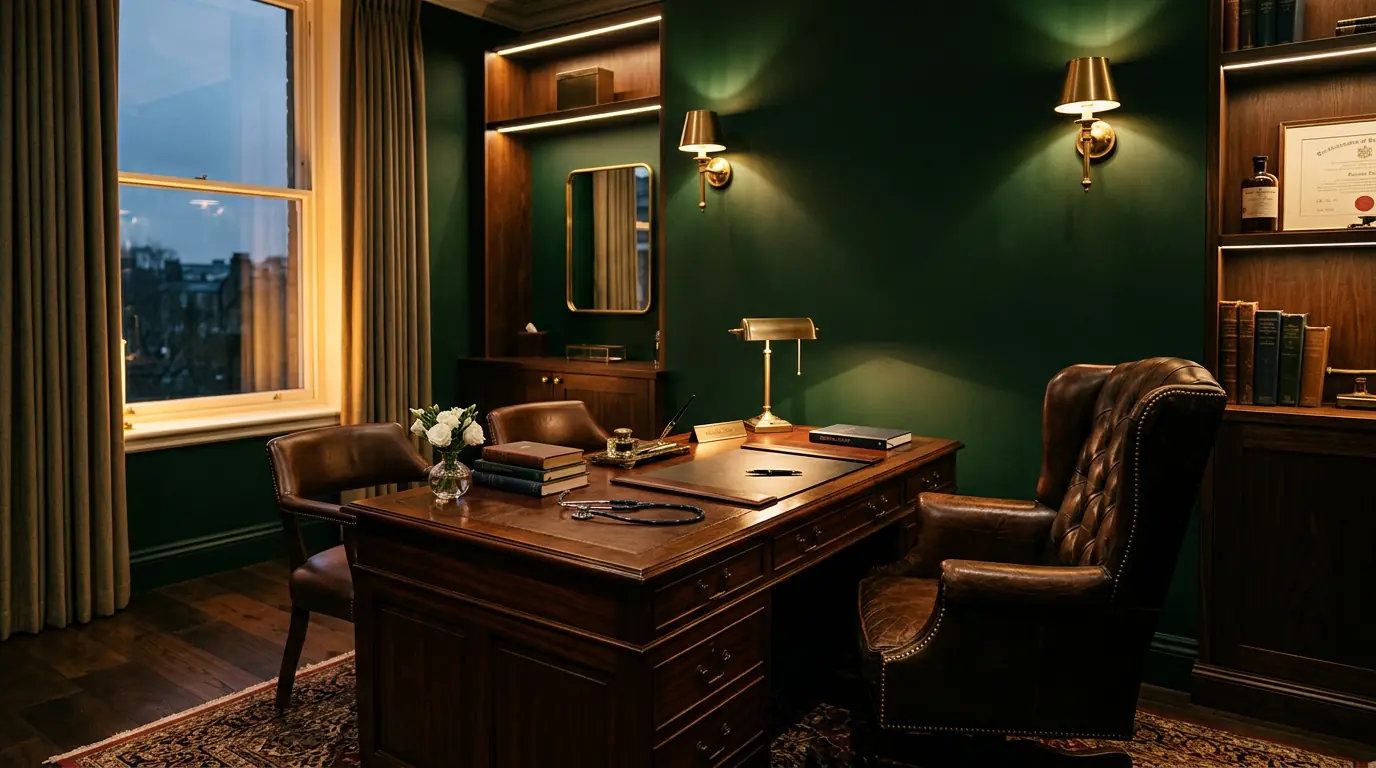
Understanding Hair Fall and Hair Loss
Alopecia is a medical term for hair loss. It happens when a normal hair growth cycle is disrupted. Shedding up to 100 hairs a day is considered a healthy part of the follicle renewal process. However, hair density decreases when new growth slows down or shedding increases. In fact, scalp thinning becomes noticeable after losing 50% of your hair density in specific areas.
At My Private Clinic, Dr Faizal offers same-day GP appointments, so you can walk in, discuss your hair loss concerns, and receive a treatment plan. If your hair loss requires it, the GP may arrange a blood test or a private specialist referral.
Reviewed by Dr Faizal Secretary, MRCGP · GMC 7606534 · Last updated: October 2026
What Are The Types of Alopecia?
During your consultation, Dr Secretary performs a targeted scalp assessment to identify your specific type of hair loss:
Androgenetic Hair Loss (Male Pattern Baldness)
It is very common in men & women. The hormone androgen causes hair follicles to shrink over time. In men, it causes a receding hairline & temples along with crown thinning. In women, the central part widens & thinning is diffuse.
Source →Alopecia Areata
In alopecia areata, the body attacks healthy hair follicles. It causes sudden, smooth, coin-shaped hair loss patches on the scalp, beard, eyelashes, eyebrows, and other parts of the body. It affects people of all ages & backgrounds.
Source →Telogen Effluvium
It is sudden, widespread, and temporary hair shedding. Many follicles shift into the resting phase of hair growth. This type becomes noticeable after 2-3 months of trigger events.
Source →Scarring Alopecia
Central Centrifugal Cicatricial Alopecia (CCCA) is a scarring alopecia type. It starts in the crown of the scalp & spreads outwards. The affected area feels painful, itchy, & tender. It causes skin flaking and can permanently damage hair follicles.
Source →Signs of Alopecia or Hair Loss
The signs and symptoms of alopecia or hair loss can present differently. It depends on the cause. Common signs of alopecia include:
- Gradual hair thinning in the crown area.
- 'M'-shaped hairline at the temples or bald spots in the crown (male pattern baldness).
- Diffuse hair thinning at the top of the scalp or widening of the central part in women.
- Hair falls out during the shower or while combing and brushing, which leads to less hair volume.
- Smooth, round, or oval bald patches appearing on the scalp, beard, eyebrows, and eyelashes, often framed by short "exclamation mark" hairs.
- Thin hair that makes the scalp skin noticeable.
- Dry, swollen, shiny, or smooth bald patch on scalp, with pain or redness.
Described by the NHS, the British Association of Dermatologists and Cleveland Clinic.
What Causes Hair Loss?
So, what causes balding? Hair loss, or alopecia, points to something not right inside the body. Common causes of hair loss are:
- Hair loss can be hereditary, i.e., it may run in the genes.
- Scalp infections
- Hormonal changes, such as pregnancy, perimenopause, menopause, or androgen hormone imbalance.
- Over- or underactive thyroid symptoms.
- Cancer treatment (chemotherapy).
- Skin conditions that cause swelling, such as psoriasis, seborrhoeic dermatitis, alopecia areata, and folliculitis.
- Nutritional deficiency, especially iron deficiency.
- Emotional stress, for example, depression or anxiety.
- Tight hairstyles, for example, braids, tight ponytails, or using hair extensions.
Listed by NHS inform.
Consult An Expert For Hair Loss The Same Day!
If your hair is falling out in clumps and you are also not feeling well, it is a sign to see a doctor. Dr Faizal offers urgent GP consultations, so you can discuss your concerns without long waiting times & receive expert care.
When to See a GP for Hair Loss?
For hair loss issues, you should see your NHS GP or have a private GP consultation with Dr Faizal if:
- Smooth, oval patches are appearing on the scalp skin, and hair is falling out in large clumps.
- You feel pain, burning, scaling, or severe itching along with hair fall.
- Shiny, smooth, and swollen scalp skin with no noticeable hair follicles.
- Along with hair fall, you are always tired, gaining weight, or feeling body aches.
- Your hair loss is happening after significant weight loss, childbirth, or starting a new medicine.
- You are extremely worried about your hair loss.
Hair Loss Diagnosis: How Will Your GP Confirm It
At My Private Clinic, Dr Faizal will perform a detailed assessment to get to the root of your hair loss. It is done to provide you with a personalised treatment plan. Here’s how hair loss diagnosis is done:
Medical History & Lifestyle Assessment
The GP will take your medical history. It includes questions about the timeline of hair shedding, family history, your dietary habits, and stress levels. Your hair care habits, recent illnesses, and medications are also reviewed.
Scalp Examination & Clinical Tests
The doctor will perform a hair pull test and a detailed scalp check to inspect hair density and skin quality and look for any signs of infection or swelling.
Blood Tests (If Needed)
If your hair condition points to it, Dr Faizal may arrange an iron or ferritin blood test, thyroid blood test, vitamin B12 test, vitamin D blood test, and male or female hormone test. The right test will help understand what is not right in the body.
What Happens After A Hair Loss Consultation?
After completing your consultation, Dr Faizal clearly explains your diagnostic results and underlying triggers. He will establish a clear, personalised treatment plan including medical prescriptions and dietary changes to targeted blood monitoring or direct specialist dermatology referrals.
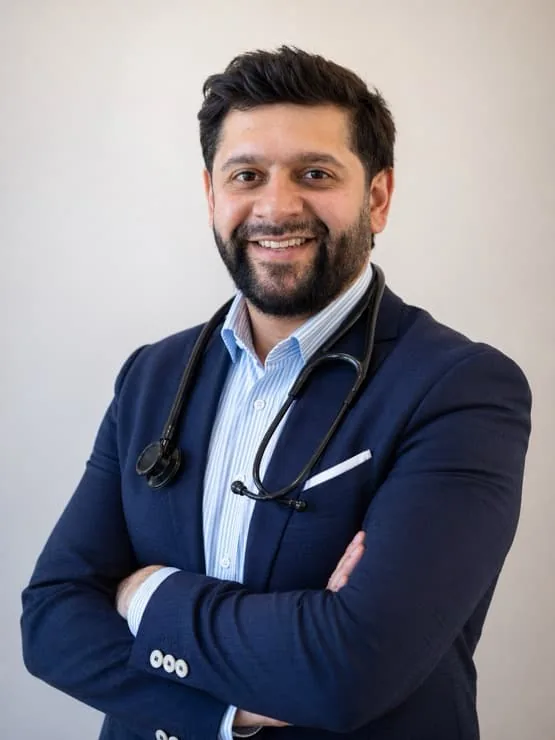
Your GP For Hair Loss Care
Dr Faizal Secretary · BSc (Hons) · MBChB · MRCGP · GMC 7606534
Dr Faizal Secretary is a GMC-registered GP based in Fulwood, Preston. He trained in the UK, holds a medical degree from the University of Manchester, and has a BSc with Distinction from Imperial College London. He is a member of the Royal College of General Practitioners and has experience across both NHS and private general practice.
Hair fall and hair loss can be worrying. Dr Faizal offers careful assessment, clear explanations, and personalised treatment to help you feel confident about your hair & scalp health.
FAQs About Hair Loss and Hair Fall
How to stop hair loss?
To treat hair falling out, you need a GP assessment to find the root cause first. At home, you can focus on a healthy diet, reducing stress levels, and taking care of your scalp health.
Does creatine cause hair loss?
Creatine does not directly cause hair fall. However, some studies show that it increases DHT levels, which are linked to male pattern baldness.
How are androgen and hair loss linked?
Androgen is a hormone that binds to the hair follicles, causing them to shrink over time; eventually, they stop growing thick hair.
What does hair loss in women look like?
In women, hair loss usually shows up as an overall thinning across the top of the scalp and a widening central parting, while the front hairline rarely recedes.
Is hair fall and hair loss the same?
Hair fall refers to temporary hair shedding, while hair loss happens when the follicles shrink and leads to less or no hair growth.
What are the main causes of hair loss?
The main causes of hair loss are genetics, hormonal shifts, sudden physical or emotional stress, nutritional gaps, and underlying health issues like thyroid conditions.
What vitamin deficiency causes hair loss?
Vitamin D, vitamin B12, zinc, and iron deficiencies are linked to hair thinning and hair loss.
What stage of hair loss is reversible?
Early-stage thinning and temporary shedding (like stress- or pregnancy-related hair loss) are usually reversible before the hair follicles shrink completely and scar over.
How to tell if hair loss is serious?
It is essential to see a doctor if your hair comes out suddenly in large clumps, leaves smooth bald patches, or is paired with scalp pain, redness, or burning.
Why Choose My Private Clinic For Hair Loss Care?
Named GP Every Time
Dr Secretary personally assesses and prescribes. Not a locum. Not remote.
CQC-Registered
Independently regulated by the Care Quality Commission.
Same Day Available
Appointments often available the same day. Call or WhatsApp to check.
Evenings & Weekends
Mon-Thu: 5-8pm · Fri: 9am-8pm · Sat: 9am-1pm.
Related Conditions & Treatment
Sources
- Hair — Clinical Methods, NCBI Bookshelf
- Practical Approach to Hair Loss Diagnosis, PMC
- Alopecia Areata: Symptoms, Types & Causes, NIAMS
- Central Centrifugal Cicatricial Alopecia, Alopecia UK
- Hair Loss: Causes, Treatments and Prevention Options, Cleveland Clinic
- Hair loss, NHS
- Hair loss male pattern (androgenetic alopecia), British Association of Dermatologists
- Hair loss female pattern (androgenetic alopecia), British Association of Dermatologists
- Alopecia (hair loss), NHS inform
- Does creatine cause hair loss? A 12-week randomised controlled trial, PMC